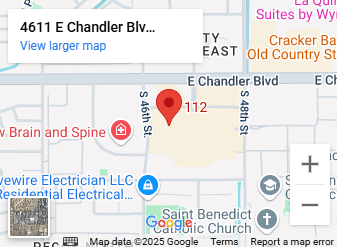

The process of selling or acquiring a business demands expertise, transparency, and a strategic approach. B3 Business brokers serve as trusted intermediaries who guide business owners through valuation, negotiations, due diligence, and market positioning. For entrepreneurs and business owners—especially in competitive markets like Arizona—choosing the right broker is crucial to maximize value and ensure a seamless transaction. This article details the essential qualities of a reliable business broker, providing actionable guidance on selecting one who understands your market and tailors their approach accordingly.
By breaking down each component—from a broker’s background to their step-by-step process—you can confidently choose the intermediary best suited to safeguard your interests. Let’s explore these core qualities in detail.
What Are the Essential Qualities of a Reliable Business Broker?
A reliable business broker possesses deep industry expertise, robust networking capabilities, strict confidentiality, and strong negotiation skills. These traits are critical from the initial valuation to closing the deal.
Why Is Industry Expertise Crucial in a Business Broker?
Industry expertise equips brokers with the insights needed to understand market dynamics, regulations, and valuation benchmarks specific to different sectors. For example, a broker specializing in retail in Phoenix, Arizona will understand local consumer behavior, seasonal trends, and zoning impacts. This expertise allows them to generate realistic valuations and advise on strategic improvements that can boost market value—such as optimizing operations or leveraging new technologies. Their analytical approach supports informed decision making throughout the selling process.
How Does a Strong Network Benefit Buyers and Sellers?
A broker‘s strong network of industry contacts, potential buyers, and financial institutions is a valuable asset. Well-connected brokers access exclusive buyer databases and can quickly identify qualified leads, reducing market exposure and speeding up the sale. Buyers gain access to unique opportunities that are not publicly advertised, while sellers enjoy timely, competitive offers and broader market reach. Ultimately, prompt buyer identification and enhanced exposure are key advantages of a robust broker network.
What Role Does Confidentiality Play in Business Brokerage?
Confidentiality is essential during a business sale. Disclosing sensitive operational or financial details can lead to competitive disadvantages and internal disruption. A reliable broker uses strict confidentiality protocols to share information only on a need-to-know basis, thereby safeguarding business reputation and maintaining buyer interest. This discretion creates a secure environment for discussion, ensuring that negotiations are constructive and transparent while protecting the business’s value.
Why Are Negotiation Skills a Must-Have for Business Brokers?
Negotiation lies at the heart of successful transactions. A broker with excellent negotiation skills can secure favorable terms, bridge differences between buyer and seller expectations, and resolve conflicts efficiently. By carefully interpreting verbal and non-verbal cues, a skilled negotiator adapts strategies in real time. They identify key leverage points, such as unique selling propositions and financial performance metrics, and use data-driven insights to guide negotiations. Strong negotiation not only improves sale terms but also fosters a collaborative atmosphere for long-term relationship building.
How Can You Verify a Business Broker’s Reputation and Track Record?
Verifying a broker’s reputation and track record is essential before engaging in a transaction. Important factors include a history of successful deal closures, client testimonials, and recognized certifications or licenses.
What Are the Best Ways to Check Broker References and Reviews?
The best way to gauge a broker’s performance is through direct reference checks and online review audits. Prospective clients should ask for lists of former clients and discuss their experiences. Reviews on trusted business forums and third-party sites can reveal patterns of efficiency, satisfaction, and reliability. When backed by documented case studies, a series of positive references indicates a broker’s credibility and proven success.
How Important Is a History of Successful Deal Closures?
A proven track record is a clear indicator of a broker’s skill. A history of successful transactions demonstrates that the broker can navigate complex negotiations and overcome challenges. Key metrics such as the number of deals closed, average sale duration, and improvements in sale price relative to initial valuation provide measurable evidence of competence. Clients should request case studies that show how the broker resolved difficulties and secured favorable outcomes.
What Certifications or Licenses Should a Reliable Broker Have?
Certifications and licenses validate a broker’s expertise and adherence to industry standards. Recognized credentials, such as Certified Business Intermediary (CBI) from the International Business Brokers Association (IBBA), confirm a broker’s technical skills and ethical commitment. In regulated markets like Arizona, local licenses ensure legal compliance. These credentials add a critical layer of trust and legitimacy, making it easier for business owners to feel confident in their choice.
What Should You Expect From a Business Broker’s Process Management?
Effective process management is key to a smooth business sale. A reliable broker uses systematic methods to evaluate, market, and close a sale, reducing delays and uncertainties along the way.
How Does a Broker Manage Business Valuation Accurately?
Accurate valuation is the cornerstone of any sale. Skilled brokers use multiple methodologies—such as discounted cash flow analysis, market comparables, and asset-based approaches—to determine a business’s intrinsic value. They gather exhaustive financial data and industry metrics to create a realistic price range that reflects current performance and future potential. This rigorous analysis helps set appropriate buyer expectations and provides a firm basis during negotiations.
What Steps Are Involved in Marketing a Business for Sale?
Marketing a business requires a coordinated strategy that includes detailed profiling and targeted outreach. B3 Business Brokers typically prepare an anonymized information memorandum that highlights key strengths like market position and growth prospects, all while protecting sensitive details. This memorandum is then distributed using a mix of proprietary databases, industry networks, online platforms, and traditional avenues like trade journals. Tailored marketing attracts serious, capable buyers by matching the message to the target audience.
How Does a Broker Handle Buyer Identification and Screening?
A thorough screening process is critical to ensuring only serious, qualified buyers are involved. Brokers pre-screen potential buyers with detailed financial vetting and capability assessments, often using structured interviews and financial statement reviews. This careful identification minimizes the risk of deal fallout by ensuring each buyer has the necessary resources and genuine interest, thereby streamlining the negotiation process.
What Are the Key Elements of Transaction Support and Closing?
Transaction support covers every step from the initial offer to closing the deal. Key elements include compiling necessary documentation, arranging legal and financial due diligence, and coordinating consultations with tax and legal experts. Throughout the process, the broker acts as a facilitator, ensuring clear communication between buyer and seller to swiftly resolve any issues. This comprehensive support minimizes risk and builds overall confidence in the transaction.
How Do Communication and Transparency Impact Broker Reliability?
Effective communication and transparency are essential for building trust during the sale process. A reliable broker keeps all parties informed, addresses concerns promptly, and ensures that all steps are clearly understood.
Why Is Clear Communication Important Throughout the Sale Process?
Clear communication ensures that every stage—from valuation to closing—is comprehended by both buyers and sellers, reducing the chance of misunderstandings. Regular concise updates and progress reports help stakeholders stay aligned and ready to act in response to market shifts or unexpected challenges. This level of communication is a hallmark of professionalism and client commitment.
How Does Transparency Build Confidence in Broker Services?
Transparency involves sharing detailed information on valuation methods, buyer feedback, and negotiation strategies. By disclosing potential conflicts of interest and outlining fee structures upfront, brokers build client trust. When all details are openly discussed, clients are better equipped to make informed decisions, and the entire process becomes smoother and more collaborative.
What Are the Benefits of Choosing a Broker With Strong Negotiation Skills?
Strong negotiation skills can be the determining factor in achieving a favorable sale. They not only help close the deal but also optimize terms and mitigate risks.
How Can Skilled Negotiation Improve Sale Terms?
A broker skilled in negotiation can significantly enhance sale outcomes. By focusing on growth potential, financial performance, and proprietary advantages, the broker can push for higher valuations. Effective negotiators also manage concessions smartly, securing advantageous payment terms and post-sale protections. The overall benefit is a deal that better reflects the true value of the business while reducing risk exposure.
What Negotiation Techniques Do Top Brokers Use?
Top brokers use a mix of strategic questioning, data-backed arguments, and active listening to secure favorable outcomes. Techniques like anchoring an initial high valuation and using tactical pauses help guide buyers toward serious offers. Role-playing and scenario planning prepare brokers for various negotiation challenges, ensuring they can maintain a balanced and productive dialogue throughout the process.
How Does Confidentiality Protect Your Business During a Sale?
Confidentiality is a cornerstone of business brokerage, protecting sensitive information throughout the sale. It ensures that financial records, operational details, and strategic plans remain secure from competitors.
What Confidentiality Measures Should a Broker Implement?
A reliable broker enforces strict confidentiality measures including non-disclosure agreements (NDAs), secure data rooms, and restricted document access. Encrypted communication and digital tracking further strengthen data protection. These measures not only safeguard the business’s competitive edge but also ensure that information is shared only with thoroughly vetted buyers.
How Does Maintaining Confidentiality Affect Buyer Interest?
Effective confidentiality maintains a business’s market value and enhances buyer interest. When sensitive information is well-protected, buyers engage in negotiations without concern about market rumors or instability. This controlled communication environment builds trust and ensures that only serious and qualified buyers are invited to complete discussions.
Why Is a Business Broker’s Network Vital for a Successful Sale?
The breadth of a broker’s network is a critical determinant of a successful sale. A diverse set of contacts can open access to qualified buyers, industry experts, and financial resources, leading to better market exposure and competitive bidding.
How Does Access to Qualified Buyers Speed Up the Sale?
A broker’s established relationships allow for direct contact with buyers who meet stringent financial and strategic criteria. By bypassing lengthy public listings, brokers bring forward serious prospects more rapidly. This targeted approach shortens the time on market and reduces the risk of unexpected issues that can delay the transaction.
What Partnerships and Industry Connections Enhance Broker Effectiveness?
Strong partnerships with legal, financial, and industry advisory firms enhance a broker’s overall effectiveness. Such relationships provide additional expertise and facilitate access to innovative financing options and off-market opportunities. These strategic connections not only improve sale prices but also reduce risks, resulting in more successful outcomes.
Table: Key Attributes of a Reliable Business Broker
Before proceeding, consider the following table summarizing key attributes and their associated benefits:
| Attribute | Benefit | Example/Metric | Supporting Action |
|---|---|---|---|
| Industry Expertise | Accurate valuations, competitive positioning | 10+ years in niche markets | Use of market comparables |
| Strong Network | Accelerated buyer identification | Access to 500+ qualified buyers | Direct contact & referrals |
| Confidentiality | Protection of sensitive business data | Strict NDAs, encryption protocols | Controlled data sharing |
| Negotiation Skills | Improved sale terms and reduced risk | 15% higher average sale price | Data-driven counteroffers |
| Process Management | Smooth transaction and timely closures | 90% successful deal closures | Multi-step screening and due diligence |
| Communication | Enhanced client trust and clarity | Regular progress reports | Transparent updates |
This table highlights how each key trait contributes to a broker’s effectiveness, reinforcing why these attributes are essential when selecting a business intermediary.
Frequently Asked Questions
Q: What makes industry expertise so critical in selecting a business broker?
A: Industry expertise ensures that the broker understands market dynamics, regulatory requirements, and valuation benchmarks that are specific to your business sector. This leads to more accurate valuations and better strategic positioning, resulting in improved sale terms and a smoother process.
Q: How can I independently verify a broker’s track record?
A: Request client references, review online testimonials from reputable sources, and ask for case studies of past successful transactions. Certifications from recognized industry associations further validate a broker’s reliability.
Q: Why is confidentiality important during a business sale?
A: Confidentiality protects sensitive business information from competitors and prevents internal disruptions. Reliable brokers use NDAs, secure data rooms, and encrypted communications to ensure that critical data remains protected until a serious buyer is confirmed.
Q: How do strong negotiation skills benefit the sale process?
A: Strong negotiation skills help secure higher sale prices, favorable payment terms, and robust protections against post-transaction liabilities. This ensures that the final deal better reflects the true value of the business while minimizing risks for the seller.
Q: What steps are involved in effectively marketing a business for sale?
A: Effective marketing includes creating an anonymized information memorandum that outlines the business’s strengths, distributing it through targeted channels, and leveraging the broker’s network to reach qualified buyers—all aimed at engaging only serious prospects.
Q: How does access to qualified buyers expedite the sale of a business?
A: Access to a pre-screened pool of qualified buyers minimizes time wasted on unqualified leads, speeds up negotiations, and increases bidding competition, ultimately leading to quicker closures.
Q: What role do certifications and licenses play in ensuring a broker’s reliability?
A: Certifications and licenses serve as independent validations of the broker’s expertise, commitment to ethical standards, and ability to manage complex transactions, giving clients confidence in their reliability.
Leveraging Negotiation Skills for Optimal Business Sale Outcomes
Selecting a reliable business broker requires a careful evaluation of core attributes such as industry expertise, a strong network, rigorous confidentiality, and exceptional negotiation skills. These qualities come together to create a transparent, efficient sale process that maximizes your business’s market value. By verifying a broker’s track record through references, certifications, and documented case studies, you can confidently proceed with a sale that meets your objectives. Ultimately, a broker skilled in communication, process management, and strategic partnerships will not only expedite the transaction but also ensure a successful and rewarding sale outcome.